
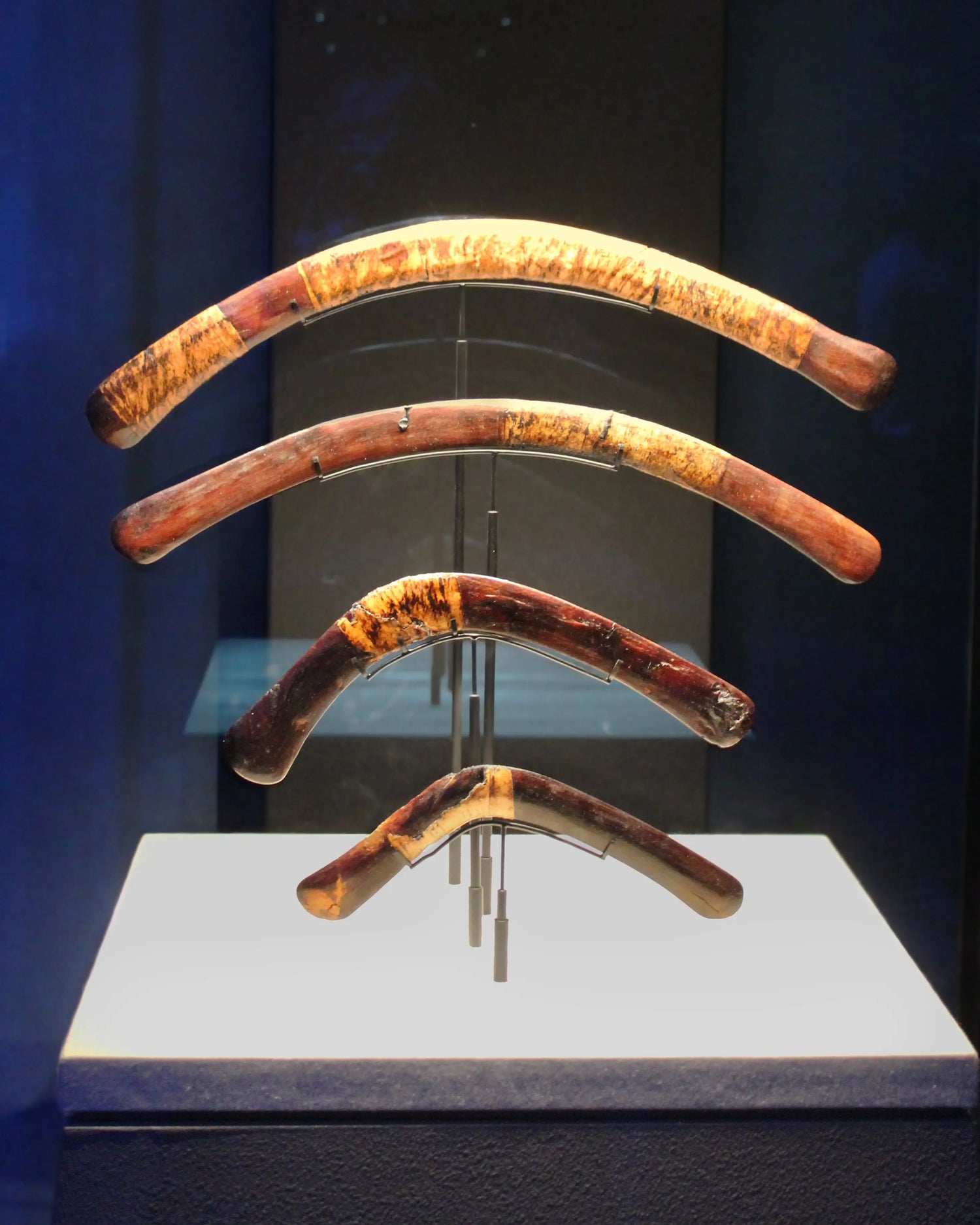
A boomerang is a curved throwing tool that returns to the thrower on a curved path thanks to the gyroscopic effect. Once a hunting and cultural tool used around the world, today it is mainly a popular outdoor sports device. Handcrafted wooden boomerangs come straight from our father-and-son workshop in Munich – buy a boomerang.
This overview covers everything about the boomerang: how it works, the different types, how to throw one yourself – and its fascinating history from the Stone Age to today.
How does a boomerang work?
A returning boomerang owes its flight path to the gyroscopic effect: the spinning, wing-shaped arms create uneven lift that continuously tips the boomerang to one side – tracing its characteristic curve back to the thrower. We explain this in detail in Why does a boomerang come back?
What types of boomerang are there?
There are returning boomerangs (the classic sporting type) and non-returning throwing sticks ("kylies"). Beginners do best with light, slow-flying models, while advanced throwers pick more demanding shapes. You'll find handcrafted wooden boomerangs for beginners and advanced throwers in our shop.
Learn to throw a boomerang
With the right technique, the boomerang reliably comes back. Our 5-step throwing guide shows you exactly how.
The history of the boomerang
The history of the boomerang goes back further than most people think – from prehistoric throwing sticks and the culture of the Australian Aboriginal peoples to the modern sports device. Here are its most fascinating milestones at a glance.
1. The oldest boomerangs ever found
The boomerang is an extraordinarily old throwing tool that has been used by various cultures worldwide. Although many people associate the boomerang with Australia, its history extends far beyond this country. The oldest boomerangs found to date originate from Europe and Africa and are estimated to be over 20,000 years old. A particularly impressive specimen was discovered in the Carpathians in Poland. The Carpathians, a mountain range stretching through Central Europe, became known not only for their breathtaking landscape but also for the astonishing archaeological discoveries made there. One of the most remarkable finds was undoubtedly the boomerang crafted from a mammoth tusk.
This prehistoric boomerang, dated over 20,000 years old, is not just a simple tool, but a work of art from the Ice Age. The choice of mammoth tusk as material demonstrates the skilled craftsmanship of the people of that era.
Although Australia is closely linked to the history of the boomerang, other cultures have also used the throwing tool. A surprising find was made in the burial chamber of the Egyptian pharaoh Tutankhamun. Some of the boomerangs in his tomb were intended as pure decorative pieces, while others actually worked and returned to their thrower.
2. The history of the boomerang and Australia – inextricably linked
The boomerang plays a central role in the history and culture of the Australian Aborigines, one of the oldest continuously existing cultures in the world. Over millennia, these indigenous peoples developed various types of boomerangs that went far beyond mere use as a hunting tool. The versatile use and the deep-rooted spiritual significance of the boomerang among the Aborigines illustrate its cultural depth and symbolic power.
Boomerang as a hunting tool
One of the most well-known uses of the boomerang was hunting. The Aborigines used the boomerang in different ways, depending on the region and the animal species found there. Two main categories of boomerangs were particularly important:
- Returning Boomerangs: Lighter in build and primarily used for hunting birds. Their curved flight path was ideal for scaring flocks of birds and driving them into nets that hunters had already set up.
- Non-returning hunting boomerangs (also called "Kylies"): Heavier and flying straighter, intended for hunting larger prey such as kangaroos. This variant was less focused on returning than on maximum impact upon collision – it functioned more like a throwing stick than the "classic" boomerang known today.
Spiritual and ritual significance
Beyond hunting, the boomerang held deep spiritual significance in Aboriginal culture. It was frequently used in ceremonies and rituals, with its symbolic meaning varying by tribe and region. The boomerang was often associated with ancestors and the forces of nature, serving as a symbol of unity between people and the land.
Symbol of connection with nature
For the Aborigines, the boomerang was not only a tool but also an expression of their close relationship with nature and the landscape. Every shape and use of the boomerang reflected their knowledge of the natural environment. The Aborigines knew exactly how to use wind and weather conditions to their advantage to achieve the perfect throw.
The connection to animals and landscape was also visible in the decorations and carvings of the boomerangs. Abstract patterns and symbols often represented elements of the Dreamtime, an Aboriginal spiritual worldview that explains the creation of the world and the relationship of people to nature. In this mythology, the boomerang played a role as a magical tool symbolizing the connection between the visible and invisible.
Trade and social networks
The boomerang was also an important trade item among the Aborigines. Different tribes exchanged boomerangs, with design and function varying greatly by region. This exchange not only promoted trade but also social bonds and the exchange of cultural practices. The variety of boomerang shapes shows how adaptable this tool was and how it was tailored by the Aborigines to different circumstances and needs.
3. The boomerang as a modern outdoor sports device
While the primary role of the boomerang in history was as a tool and ritual object, in modern times it has developed into a popular sports and leisure device. In Europe, especially in Germany and France, boomerang sports began in the early 20th century. Enthusiasts experimented with new designs and techniques, leading to organized competitions and the development of special throwing and catching techniques.
Technology and material development
The material of boomerangs has also changed. Wood remains one of the most popular materials from which excellent boomerangs are made. However, new materials such as plastic and carbon have also found their place. Carbon, in particular, makes boomerangs for professionals lighter and more durable, leading to higher precision and improved flight characteristics. In addition to wood and carbon, plastic was introduced, particularly for cost reasons. The sustainability of materials and long transport routes must be weighed against cost savings and the undoubtedly better throwing feel with wood. Technology has changed boomerang sports, with aerodynamic designs and advanced throwing techniques continuing to play a central role.
This is precisely where we come in: the shapes of our boomerangs were developed together with boomerang world champion Heinz-Willi Dammers and optimized through numerous test flights. What used to be purely a matter of experience for individual tribes is now a combination of decades of competitive experience and modern material understanding – two worlds that come together in each of our boomerangs.
Records and recognition: Boomerang World Class
The boomerang has also played a significant role in the world of records – from the longest throwing distance to the longest flight and spectacular trick throws where multiple boomerangs are caught simultaneously. These record attempts promote the recognition of the boomerang as a serious sport and showcase the impressive skills of the throwers.
We have summarized the most exciting records and what makes them so special in a separate article: Boomerang World Records.
Boomerang for leisure and hobby throwers
For leisure and hobby throwers, the boomerang has become an ideal way to have fun outdoors while learning a new skill. Unlike professional competitions, here it's all about the pure enjoyment of throwing and catching.
Modern leisure boomerangs are often made of plastic or wood and are specifically designed to facilitate their return. Beginners can start with lighter models that fly slower and are easy to catch, while advanced throwers can try more challenging models that allow for different flight paths and tricks.
4. Boomerang Clubs and Communities
The enthusiasm for the boomerang has led to the formation of numerous clubs and communities. These organizations not only offer training opportunities but also a social network for people who share their passion for the boomerang. Such clubs regularly organize competitions where both beginners and professionals can demonstrate their skills.
In Germany, the Deutsche Bumerang Club e.V. is the meeting point for boomerang enthusiasts from all over Germany. The corresponding website has a lot of interesting information about boomerang throwing and is sure to be of interest to you.
Frequently Asked Questions about the History of the Boomerang
Where does the boomerang originally come from? Contrary to popular belief, the boomerang does not exclusively originate from Australia. The oldest known finds – over 20,000 years old – were discovered in Europe, including in the Carpathians in Poland. However, the boomerang became world-famous and deeply culturally rooted primarily through the Australian Aborigines.
Do all historical boomerangs return? No. Many historical hunting boomerangs, especially the heavier variants for big game hunting, were not meant to return – they functioned more like a throwing stick. The "classic," returning boomerang was usually the lighter variant for bird hunting.
What does the boomerang mean to the Aborigines? Besides its practical use as a hunting tool, the boomerang held deep spiritual significance – as a symbol of the connection between humans, ancestors, and nature, rooted in the mythology of the Dreamtime.
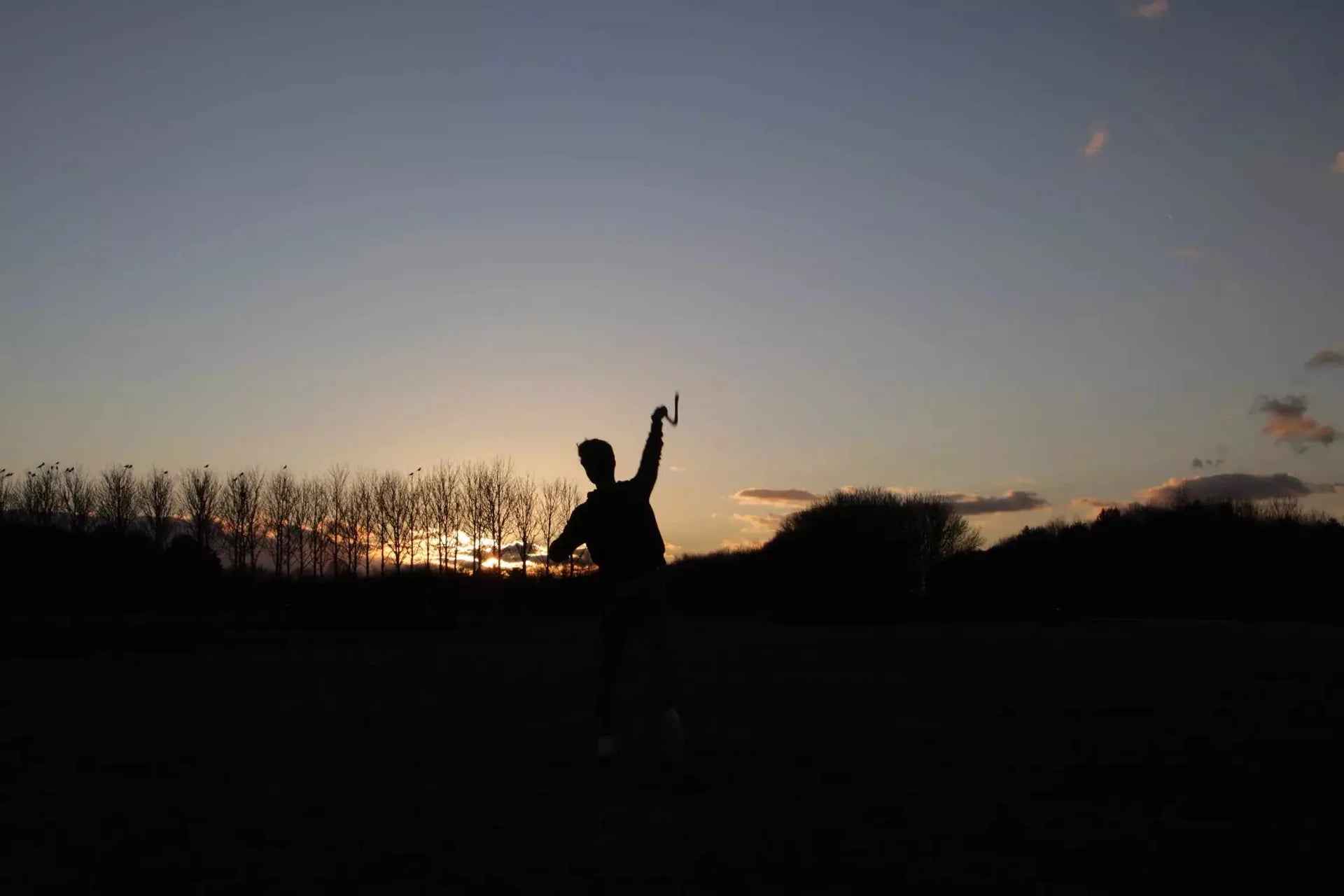
Enough of the history of the boomerang, now fancy throwing one yourself?
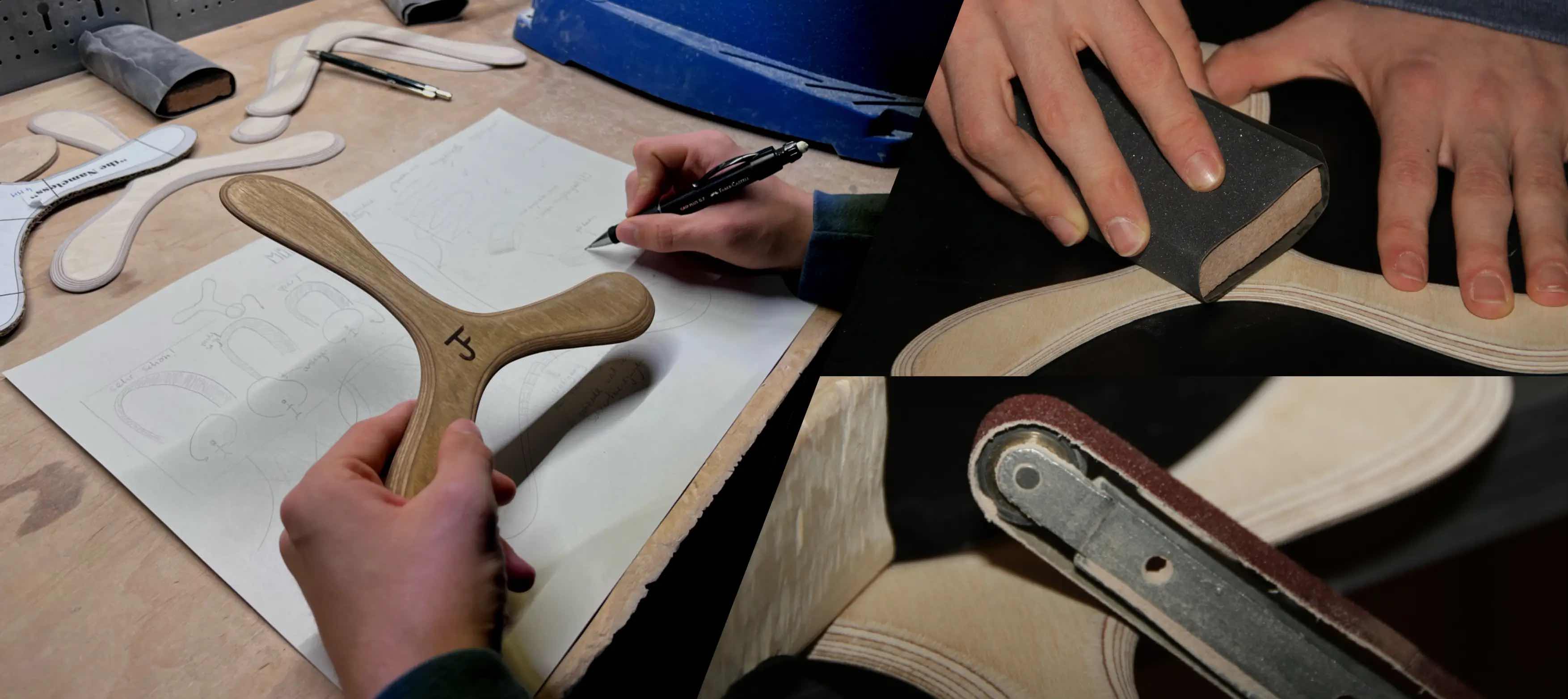
In our online shop, you'll find a wide selection of handmade wooden boomerangs – with shapes based on the knowledge of a true boomerang world champion. Perfect for beginners and pros alike!


Leave a comment
All comments are moderated before being published.
This site is protected by hCaptcha and the hCaptcha Privacy Policy and Terms of Service apply.